
Storm & Hail Damage Roof Repair
Storm & Hail Damage Roof Repair in Fort Worth
Post-event assessment and documented repair across Tarrant County, from the Alliance corridor down through Crowley.
Insured crews · Impacts chalked and photographed · Texas-compliant on deductibles and claim handling
After the cell moves through
After a Hail Run Across Tarrant County
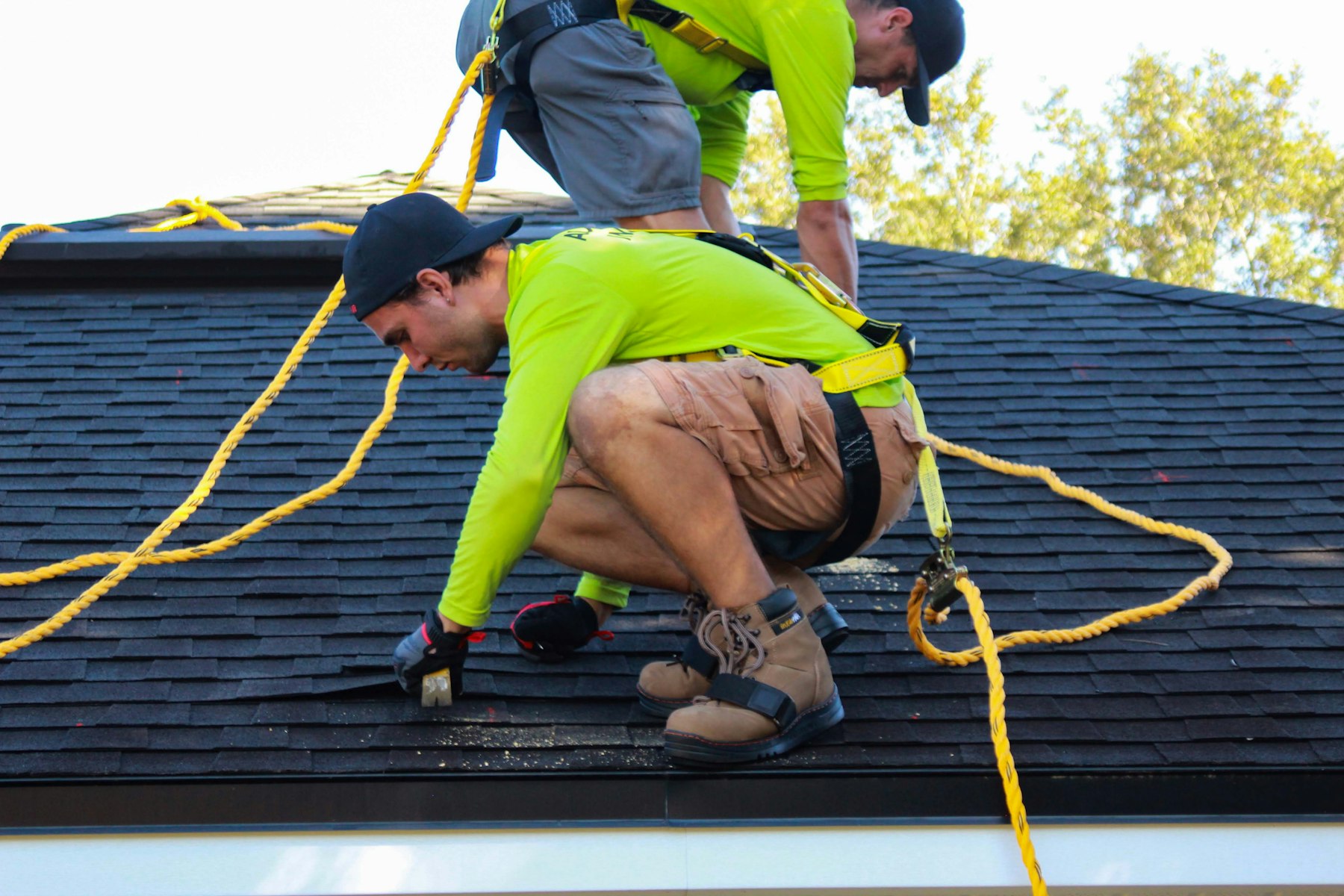
Fort Worth sits in the part of Texas where hail is not an occasional event but a seasonal category of work, and the days after a cell moves through are the days homeowners are most likely to be taken advantage of. Trucks appear in driveways within hours, the language gets urgent, and offers get made that no legitimate contractor should make. Fort Worth Roofing Texas handles storm and hail damage roof repair in Fort Worth the slow way: an assessment that establishes, with photographs, whether the roof actually took damage. Hail bruising is genuinely hard to see from the ground and frequently invisible even from a ladder, which is why it gets both over-claimed by chasers and dismissed by homeowners who look up and see nothing wrong. A proper assessment chalks and photographs impact points, checks the soft metals where hail leaves unambiguous evidence, and documents collateral damage on gutters, vents, screens and fascia. What you get at the end is an evidence file and a written scope. What you decide to do with your insurance carrier is entirely your business, and we stay on our side of that line.
What is in the scope
What the Storm Assessment Covers
The assessment produces evidence rather than an opinion, and every item below ends up in the file you keep.
- 01
Full slope-by-slope impact survey
Each slope is walked and test squares are marked out, because hail arrives directionally and one elevation can be destroyed while another is untouched. The count per square is what distinguishes real damage from ordinary weathering.
- 02
Chalked and photographed impact points
Individual strikes are circled and photographed with a scale reference, giving you evidence that shows the mat bruising rather than a written assertion that it exists.
- 03
Soft metal verification
Gutters, downspouts, vent caps, turbine hoods, flashing and any metal trim are checked for dents. Soft metals record hail unambiguously, and their condition corroborates or contradicts what the shingle field appears to show.
- 04
Collateral damage documentation
Window screens, garage door panels, AC condenser fins, fascia and painted surfaces get photographed, because damage below the roofline helps establish the scale of the event at your specific address.
- 05
Wind damage assessment
Creased shingles, broken seal strips and lifted ridge cap get identified separately from hail impact, since wind and hail fail a roof by different mechanisms and the repair scopes differ.
- 06
Emergency tarping where the deck is open
If the event left the deck exposed or a penetration open, the area gets covered and secured so the interior stops taking water while the rest of the process plays out.
- 07
Written condition report
The findings are assembled into a document with the photographs attached, stating what was found on which slope, so you have something concrete to work from rather than a verbal summary.
- 08
Itemized repair or replacement scope
Depending on what the survey shows, the scope covers targeted repair of the affected slopes or a full replacement, priced line by line either way.
- 09
Interior water intrusion check
Ceilings, attic decking and insulation are checked for active or recent moisture, since a storm that opened the roof often shows itself inside before it shows itself clearly outside.
- 10
Post-repair verification photographs
The completed work is photographed from the roof, closing the file with the same standard of evidence it opened with.
How it runs
How a Storm Assessment Runs
01
The survey
Someone walks every slope, marks test squares, chalks impacts and photographs the soft metals. This takes longer than a sales inspection because it is producing evidence rather than a conclusion. On a typical Fort Worth single-story house it runs around an hour, and you are welcome to be there for the walk-down afterwards.
02
The documented report
The photographs and findings are assembled into a written condition report you keep regardless of what happens next. It states which slopes showed impact, what the counts were, and what the soft metals corroborated. It does not tell you what your policy covers, because that is not a roofer's call to make.
03
The repair scope and the work
If repair or replacement is warranted, the scope is itemized the same way every other job here is. Work is scheduled, the crew completes it, and the finished result is photographed. Where the deck was opened, temporary covering stays in place until the permanent work is done.
Why us for this
Why Bring Storm Damage to Us
We stay on the legal side of the claim line
Texas is specific about contractors acting as public adjusters and about deductible handling. We document, photograph and scope. We do not negotiate your claim, interpret your policy or offer to absorb your deductible, and anyone in Fort Worth who offers the latter is telling you something important about themselves.
The evidence stands on its own
A file of chalked, photographed impacts with soft metal corroboration is worth considerably more than a contractor's opinion, to you and to anyone else who looks at it. That file is yours whether you hire us for the repair or not.
We are still here next season
Storm work attracts crews who follow weather across states and leave when the volume does. Our crews work Tarrant County year round, which matters most at precisely the moment a storm-season roof develops a problem.
- Insured Crews
- Photographed Evidence File
- Free Post-Storm Assessment
- Texas-Compliant on Deductibles and Claim Handling
Find Out What the Storm Actually Did
If a cell came through your part of Fort Worth and someone has already knocked on your door about it, get an independent assessment before you sign anything. The survey is free, the photographs are yours, and the report does not require you to hire anyone.
(682) 399-8789