Roof Inspections
Roof Inspections in Fort Worth
Walked, photographed and written up, for homes across Fort Worth and out through Keller, Hurst and Benbrook.
Insured crews · Walked, not viewed from the driveway · No obligation and no pressure
Somebody has to climb it
What a Roof Inspection in Fort Worth Should Actually Involve
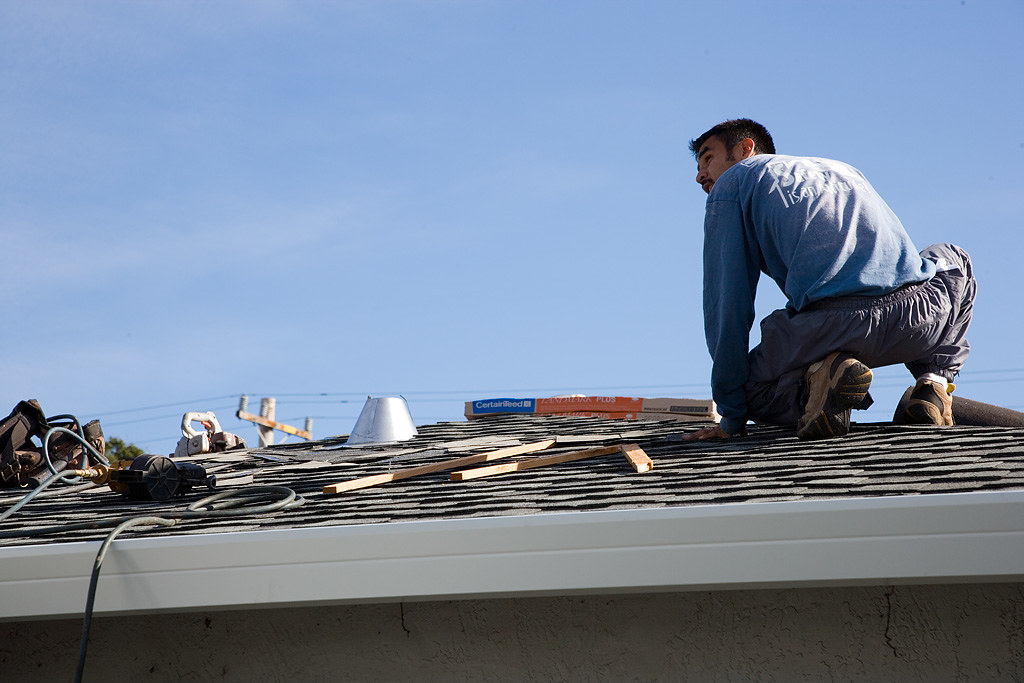
A roof inspection is only worth having if someone gets on the roof. A great many of them in Fort Worth are conducted from a ladder at the eave or from the driveway with binoculars, which will find a missing shingle and will miss almost everything that matters. Hail bruising, failed seal strips, backing-out fasteners, deteriorating boot collars and flashing that has separated at the top edge are all invisible from below. Fort Worth Roofing Texas treats the inspection as a documentation exercise rather than a sales call. Someone walks the accessible slopes, photographs the field and every penetration, checks flashing details individually, assesses ventilation at both intake and exhaust, and looks in the attic where access allows. The output is a written condition report with the photographs attached, stating what is there and what it means for remaining service life. It costs nothing, it carries no obligation, and the report is yours to use however you like, including as a second opinion against a quote you have already received from somebody else.
What is in the scope
What Gets Inspected
Everything below is checked on every inspection and written into the report you keep.
- 01
Field condition on every accessible slope
Granule loss, mat exposure, cupping, curling, cracking and blistering are assessed slope by slope, since orientation to the Texas sun produces markedly different aging on different elevations of the same house.
- 02
Fastener and seal-strip check
Nail heads backing out and seal strips that have released are among the strongest predictors of how a roof will behave in the next wind event, and neither is visible from the ground.
- 03
Every penetration examined individually
Plumbing vent boots, turbines, static vents, exhaust caps, satellite mounts and any solar attachment are checked one at a time, because penetrations are where the overwhelming majority of leaks begin.
- 04
Flashing at walls, chimneys, dormers and skylights
Step, counter, apron and curb flashing are each assessed for correct integration, corrosion and separation, including whether a previous contractor substituted sealant for proper metal work.
- 05
Valley condition
Open and closed valleys are checked for metal corrosion, fastener placement inside the water channel, debris packing and shingle wear along the cut line.
- 06
Ridge, hip and rake detail
Cap shingle condition, exposure, fastening and the state of ridge vent material are assessed along the most wind-exposed lines of the roof.
- 07
Ventilation balance calculation
Intake at the soffit and exhaust at the ridge are compared against attic square footage, because an imbalanced attic in North Texas shortens shingle life from the underside regardless of what happens on top.
- 08
Attic inspection where access permits
Decking is checked from below for staining, moisture, daylight at penetrations, and insulation condition, which frequently reveals intrusion that has not yet reached a visible ceiling.
- 09
Gutter and edge-metal assessment
Drip edge, gutter apron, gutter pitch and downspout discharge are evaluated, since edge failures are commonly misdiagnosed as roof failures and vice versa.
- 10
Written report with photographs and a service-life estimate
Everything above is assembled into a document you keep, including an assessment of how much usable life the system has left and what, if anything, needs attention now.
How it runs
How an Inspection Runs
01
Scheduling and access
You call, we set a window, and we confirm whether attic access is available and where. Nothing needs to be prepared beyond clearing a path to the attic hatch if there is one. The visit typically takes forty-five minutes to an hour on a standard Fort Worth single-story home, and longer on steep or complex rooflines.
02
The walked survey
Someone gets on the roof and works it systematically rather than spot-checking. Photographs are taken as findings occur, not reconstructed afterwards. Where a slope is genuinely unsafe to walk, that is stated in the report rather than quietly skipped.
03
The report and the walk-through
You get the written findings with photographs attached, and a conversation about what they mean in plain terms. If nothing needs doing, the report says nothing needs doing. If something does, it comes with an itemized price and no pressure attached to it.
Why us for this
Why Have Us Do the Inspection
The report is useful to you even if you never call again
A condition report with photographs and a service-life estimate is a genuinely useful document for a real estate negotiation, a policy renewal conversation, or a decision about timing. You keep it regardless of what you do next.
Nobody gets a commission for finding damage
An inspection that exists to generate replacement work will find replacement work. Ours exists to establish condition, which is why a meaningful share of them conclude with a recommendation to do nothing for a few more years.
Second opinions are welcome and common
If you have a quote in hand and want to know whether it reflects reality, that is one of the most useful things this inspection does. Bring the quote, and the report will speak to the same roof.
- Insured Crews
- Free Walked Inspection
- Photographed Written Report
- No Obligation and No Pressure
Get Your Roof Looked at Properly
Whether you are buying, selling, coming up on a renewal or just aware the roof is getting on, a walked inspection tells you where you actually stand. It is free, it is documented, and there is no obligation attached to any part of it.
(682) 399-8789