
Metal Roofing
Metal Roofing in Fort Worth
Standing seam and metal shingle systems for homes across Tarrant County, from Westover Hills out to Aledo and Weatherford.
Insured crews · Gauge and coating stated on the estimate · Free walked assessment
Hail and heat
Why Metal Roofing Comes Up So Often in Fort Worth
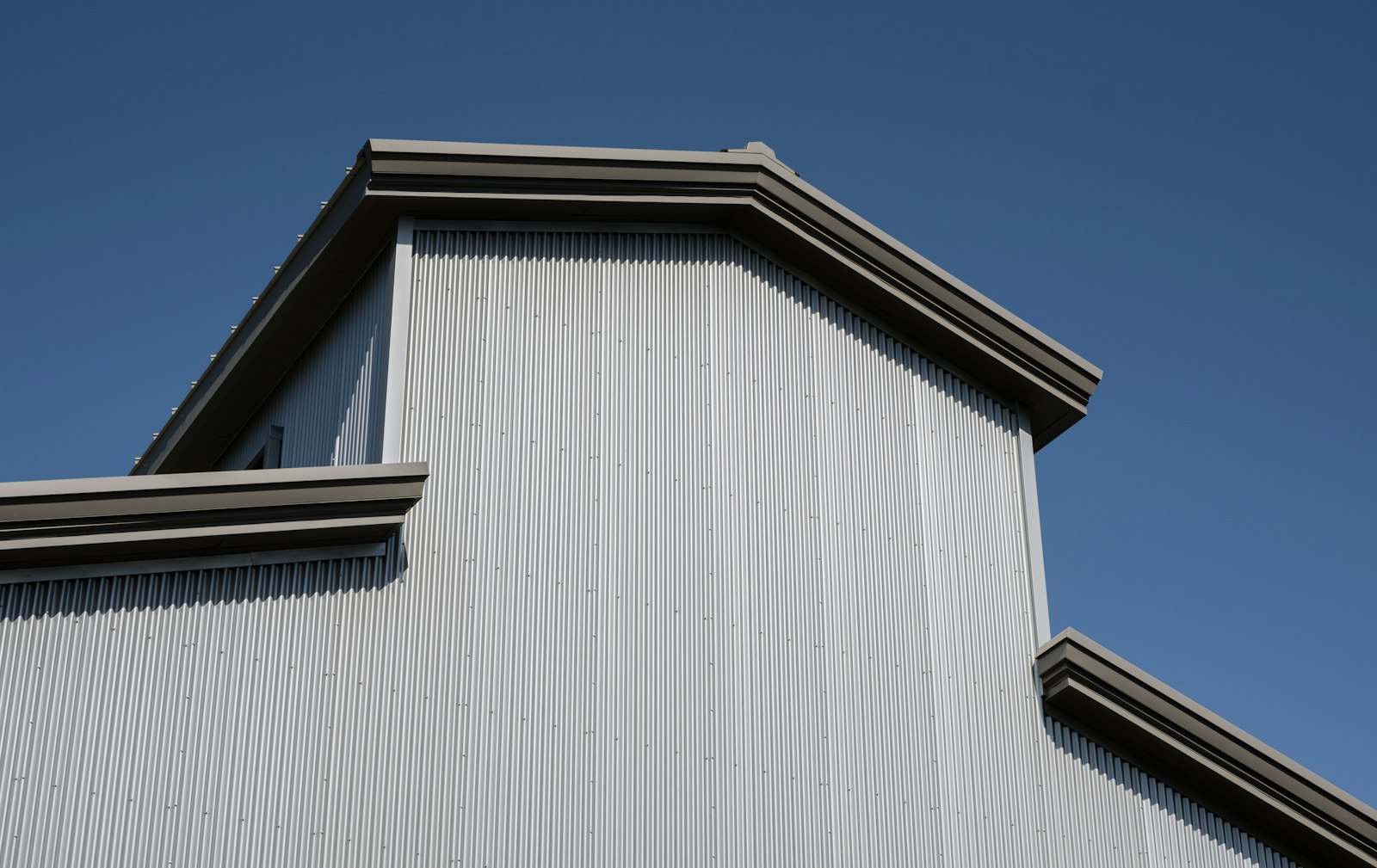
Metal roofing in Fort Worth is driven by two local realities: hail and heat. A concealed-fastener standing seam system in a heavier gauge absorbs impact events that would total an asphalt roof, and a reflective finish meaningfully reduces the heat load a Tarrant County attic pushes back into the house from June through September. The tradeoff is upfront cost, and the decision usually turns on how long the owner intends to keep the house. Fort Worth Roofing Texas prices metal the same way it prices everything else, which is line by line with the variables visible. Panel profile, steel gauge, coating system, clip and fastener method, underlayment, trim and flashing packages are each their own figure, because the difference between two metal quotes in this city is almost always hiding in gauge or coating rather than in labor. You should be able to see which one you are buying. The inspection and the conversation come before any of it, including an honest assessment of whether metal makes sense for your particular roof geometry and how long you plan to own it.
What is in the scope
What a Metal Roof Install Covers
Every specification below appears on the estimate as a stated value rather than an adjective.
- 01
Panel profile selection and explanation
Standing seam with concealed clips, snap-lock versus mechanically seamed, and metal shingle or tile profiles are each explained in terms of what they cost, how they perform in hail and what they look like on your specific roofline.
- 02
Gauge specification in writing
Steel gauge is the single most consequential spec in a metal roof and the one most often left vague in a quote. The gauge appears on the estimate as a stated number, not as an adjective.
- 03
Coating and finish system
Paint systems differ substantially in how they hold color and resist chalking under Texas sun. The coating on your panels is named on the estimate along with its warranty terms.
- 04
Full tear-off and deck preparation
Existing material comes off and the decking is inspected sheet by sheet and photographed, with soft sheets priced per unit before replacement, exactly as on an asphalt replacement.
- 05
High-temperature underlayment
Metal assemblies run hotter at the deck than shingle assemblies do, so a high-temp synthetic underlayment is specified rather than a standard product that will degrade beneath the panels.
- 06
Clip and fastener method matched to the system
Concealed clips allow the panel to move with thermal cycling, which matters enormously across a Fort Worth summer-to-winter swing. Fastener pattern and clip spacing follow the manufacturer's wind-rating requirements.
- 07
Custom-formed trim and flashing
Ridge, hip, rake, eave, valley and sidewall trim are formed to match the panel system and the roof geometry, rather than adapted from generic stock that leaves gaps to be sealed.
- 08
Penetration flashing built for metal
Pipes, vents and any curb penetration get purpose-made flashing integrated into the panel ribs, since penetration detailing is where metal roofs succeed or fail.
- 09
Ventilation integrated into the system
Ridge venting and intake are sized and specified as part of the assembly rather than retrofitted afterwards, because a metal roof over an unbalanced attic wastes much of its thermal advantage.
- 10
Full cleanup with a magnetic sweep
Metal work produces shavings and fasteners as well as debris, and the site gets swept with a rolling magnet across the driveway, walks and yard perimeter before the job closes.
How it runs
How a Metal Install Runs
01
Assessment and suitability
Someone walks the existing roof, measures it properly and looks at the geometry. Complex rooflines with many penetrations, dormers and valleys cost meaningfully more in metal than simple gable roofs do, and you should hear that before you fall in love with the idea. We will also say plainly if the payback period does not fit your ownership horizon.
02
Specification and itemized pricing
You choose the profile, gauge and finish with the cost difference of each visible on the estimate. Trim, underlayment, flashing and ventilation are their own lines. Lead time on custom-formed panels and trim is longer than on shingle work, and the schedule reflects that honestly rather than optimistically.
03
Tear-off, install and verification
Existing material comes off, decking gets photographed and repaired as needed, high-temp underlayment goes down, and panels are set with the specified clip and fastener method. Trim and penetration flashing follow. Completed work is photographed and the workmanship warranty is issued as its own document.
Why us for this
Why Bring Metal Work to Us
The spec is on the paper
Gauge, coating system, clip type and fastener spacing appear as stated values on the estimate. A metal quote that does not name its gauge is not a quote you can evaluate, and that vagueness is where the price difference between bids usually lives.
We will talk you out of it when it does not fit
Metal is a genuinely good answer for a lot of Fort Worth roofs and a poor answer for some. If the geometry is complex enough to erase the value, or you are selling in three years, the assessment will say so rather than quietly taking the higher-ticket job.
Penetration detailing gets the time it needs
Most metal roof failures are not panel failures, they are detail failures at pipes, curbs and sidewalls. Purpose-formed flashing integrated into the ribs takes longer than sealing around a generic boot, and it is the difference between a forty-year roof and a five-year problem.
- Insured Crews
- Gauge and Coating Stated on the Estimate
- Free Walked Assessment
- Written Workmanship Warranty Alongside the Manufacturer's Finish Warranty
See What Metal Would Actually Cost on Your Roof
Metal pricing depends heavily on geometry, so a real number requires a real measurement rather than a square-foot rule of thumb. The assessment is free and the estimate arrives with every variable listed separately.
(682) 399-8789