
Roof Leak Repair
Roof Leak Repair in Fort Worth
Tracing intrusion back to its source on homes from Monticello and Arlington Heights out along I-30 and Loop 820.
Insured crews · Leak traced before it is quoted · Repaired area retested before we leave
Water travels
Why the Leak Is Almost Never Above the Stain
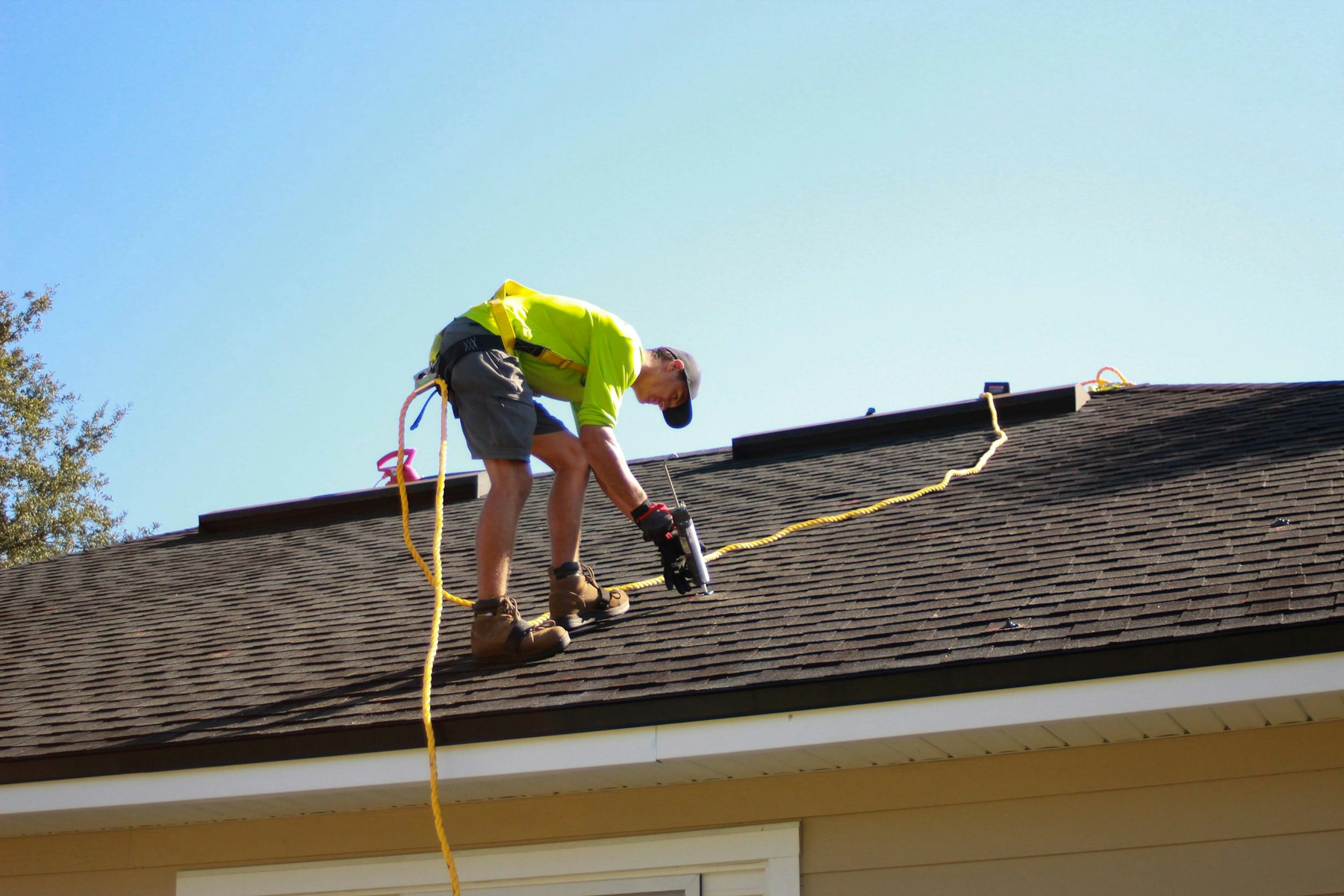
Water entering a Fort Worth roof rarely drops straight down. It lands on the deck, runs along the underside of the sheathing, follows a rafter or a truss chord for several feet, and drips off at whatever low point it reaches first. That is why sealing the area directly above a ceiling stain is the most common failed roof repair in the city: it treats the place where the water finished rather than the place where it started. Fort Worth Roofing Texas approaches roof leak repair in Fort Worth as a tracing exercise. The attic gets inspected first where access allows, because the staining pattern on the decking points uphill toward the breach far more reliably than the ceiling does. From there the corresponding area on the roof surface gets examined in detail, and where the evidence is ambiguous the area is water-tested in sections until the entry point declares itself. Only then does anything get repaired, and what gets repaired is the actual failure: a boot, a flashing detail, a valley, a nail penetration, or a section of failed field material. The finished work is photographed, and where the leak was traced by water test, the repaired area is retested before the crew leaves.
What is in the scope
What Leak Work Covers
Finding the source is most of the job, and it happens before anything gets quoted.
- 01
Interior and attic assessment first
The ceiling stain gets measured and photographed, then the attic gets inspected above it to read the staining and moisture pattern on the decking and framing, which is what actually indicates direction and distance to the breach.
- 02
Moisture reading on decking and insulation
Damp insulation and softened sheathing are identified and documented, because they indicate how long intrusion has been happening and whether structural material needs replacing along with the surface fix.
- 03
Systematic surface examination of the suspect area
The corresponding roof area gets worked over in detail: seal strips, fastener penetrations, shingle cracks, exposed nail heads and any prior repair work that was sealed rather than flashed.
- 04
Penetration and boot inspection uphill of the stain
Every plumbing vent, exhaust cap, turbine and mount above the interior symptom is checked individually, since these are the single most common source of intrusion on North Texas roofs.
- 05
Flashing detail investigation
Chimney counter flashing, wall step flashing, dormer aprons, skylight curbs and any transition between roof planes are examined for separation, corrosion and improper sequencing.
- 06
Valley and transition inspection
Valleys carry concentrated water volume, and a valley failure can put water into the structure well away from the visible symptom. Metal condition, fastener placement and debris packing all get checked.
- 07
Sectional water testing where the source is unclear
Where the visual survey does not produce an unambiguous answer, water is introduced in controlled sections from the bottom of the suspect area upward, with someone in the attic watching, until the entry point shows itself.
- 08
The actual repair of the cause
Depending on what was found, that means a boot replacement, a reflashing, valley metal renewal, shingle replacement with proper course integration, or decking repair, scoped and priced as its own line.
- 09
Damaged decking replacement where needed
Sheathing that has softened from sustained intrusion is cut out and replaced, since installing new surface material over compromised deck is how a fixed leak becomes a returning one.
- 10
Post-repair verification
The completed repair is photographed from the roof and, where a water test located the leak, the same test is re-run on the repaired area before the crew considers the job closed.
How it runs
How Leak Work Runs
01
Read the inside
We start where the evidence is clearest, which is usually the attic rather than the roof. Staining direction on the decking, moisture in the insulation and daylight at penetrations narrow the search area dramatically before anyone climbs. This part typically takes twenty to thirty minutes and frequently answers the question outright.
02
Examine, and test if necessary
The corresponding roof area gets examined in detail. If the cause is obvious, it gets photographed and scoped. If it is not, sectional water testing follows, working upward with an observer inside. This is slower than guessing and it is the difference between a leak that is fixed and a leak that is postponed.
03
Repair, photograph, retest
The failure gets corrected properly rather than sealed over, including any soft decking beneath it. The finished work is photographed, the tested area is retested, and the repair carries the same written workmanship warranty as any other job here.
Why us for this
Why Bring a Leak to Us
We find it before we quote it
Quoting a leak repair without having located the leak is quoting a guess. The tracing work happens first, which occasionally means telling a homeowner that the intrusion is coming from a wall detail or a window head rather than the roof at all.
Sealant is not a repair
A bead of roof cement over a suspect area will stop water for a season and then fail, usually worse, because it has also trapped moisture in the assembly. Failures here get flashed, boots get replaced and decking gets repaired, which is why the fix holds.
The retest closes the file
Where a water test located the leak, the same test gets run on the finished repair. That takes an extra twenty minutes and removes the possibility that you find out it did not work during the next storm.
- Insured Crews
- Leak Traced Before It Is Quoted
- Photographed Findings and Verification
- Written Workmanship Warranty
Stop Chasing the Stain
If a previous repair has already failed, the odds are strong that it was made above the symptom rather than above the source. Getting the intrusion traced properly costs one visit and usually ends a problem that has been recurring for years.
(682) 399-8789